
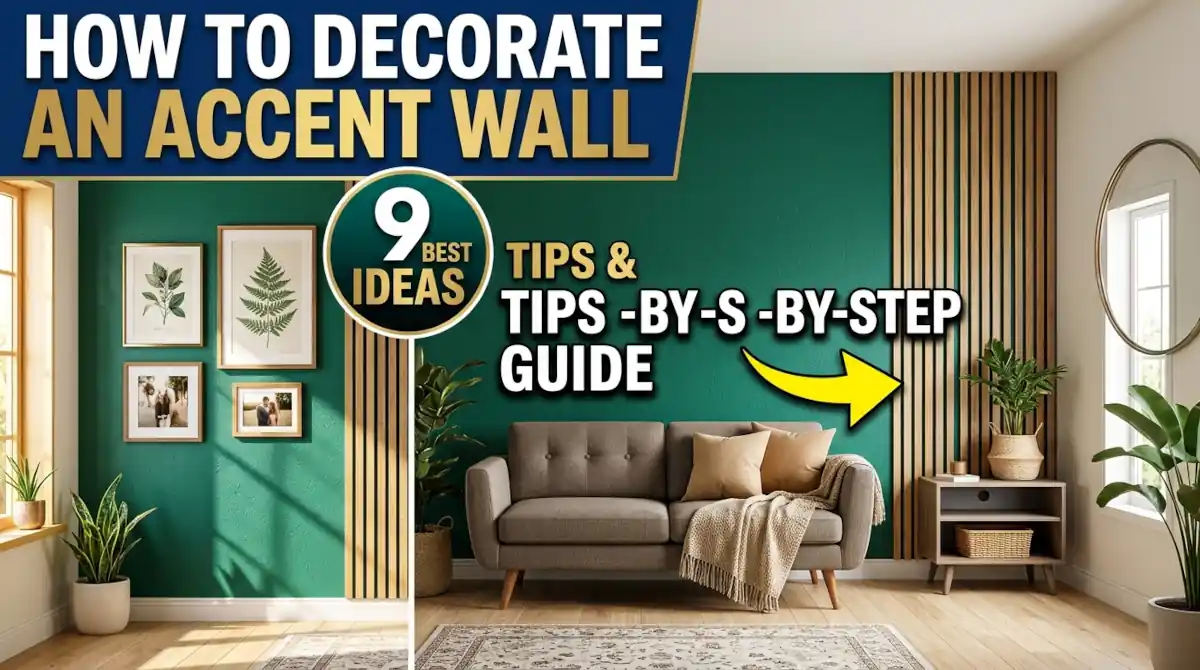
How to Decorate an Accent Wall?
Learning how to decorate an accent wall starts with understanding its core purpose. An accent wall is a wall designed to stand out from the other walls in a room. It may feature a different paint color, wallpaper, wood panels, decorative molding, or artwork.
The purpose is to create a focal point that naturally draws attention without making the entire room feel busy.
For example, imagine a living room with three warm white walls and one deep forest-green wall behind a cream sofa. The green adds depth, while the neutral furniture keeps the space balanced. In a bedroom, vertical oak slats behind the bed can introduce warmth and texture without needing a bright color.
Accent walls work in many spaces, including living rooms, bedrooms, dining rooms, home offices, hallways, and entryways. The key is choosing a design that complements the room instead of competing with it.
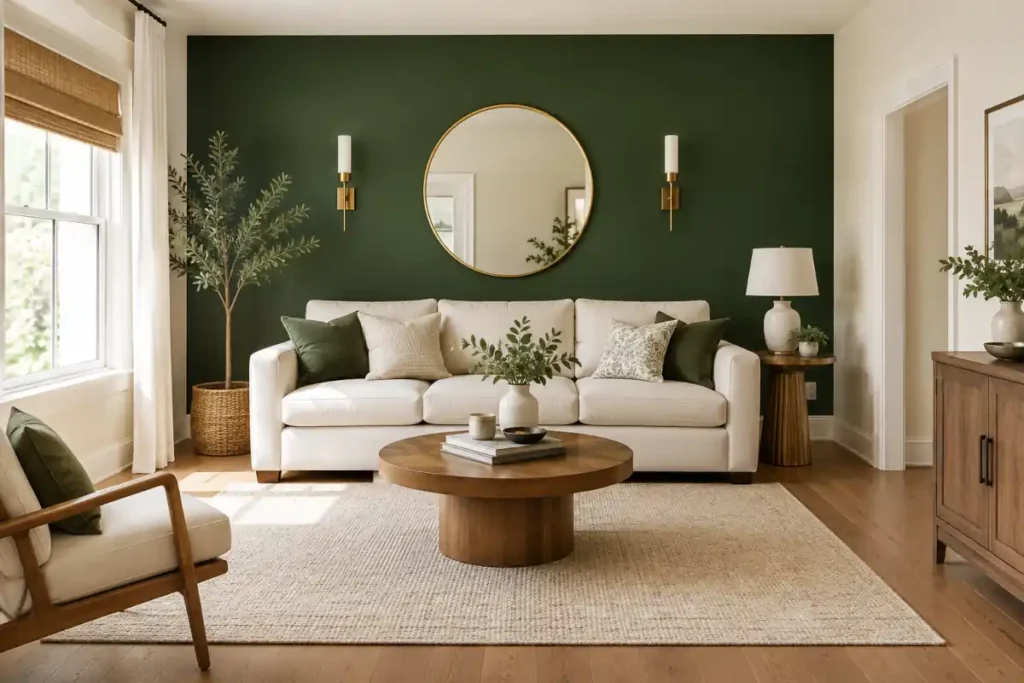
Table of Contents
1. Choose the Right Wall First
Before choosing paint or wallpaper, decide which wall should become the focal point. The best accent wall is usually one that people naturally notice when they enter the room.
Here are a few common choices:
⦁ Living room: The wall behind the sofa, fireplace, or main seating area.
⦁ Bedroom: The wall behind the headboard.
⦁ Dining room: The wall behind the dining table.
⦁ Home office: The wall behind your desk or video-call background.
⦁ Entryway: A wall that is visible as soon as someone walks through the front door.
What to Consider Before Choosing a Wall
Visibility: Choose a wall that is easy to see. A wall hidden behind a large wardrobe or several pieces of furniture may not have the impact you want.
Lighting: Natural and artificial light can change how a color looks. Dark colors may feel rich and dramatic in a well-lit room but can make a small, poorly lit space feel heavier.
Wall condition: Check for cracks, peeling paint, moisture, or uneven surfaces before starting. Paint and wallpaper generally look better when the wall is clean, dry, and properly prepared.
Existing features: Windows, fireplaces, built-in shelves, and architectural details can help determine where an accent wall will look most natural.
One simple trick is to stand at the doorway and look around the room. The wall your eyes naturally move toward is often a good place to start.
2. Pick an Accent Wall Color That Works With Your Furniture
Paint is one of the easiest and most affordable ways to decorate an accent wall. However, the best color isn’t necessarily the boldest one. It should work with your flooring, furniture, curtains, lighting, and overall style.
If you prefer a calm and timeless look, consider sage green, warm beige, muted blue, or soft gray. For a stronger statement, forest green, deep navy, charcoal, or terracotta can create a beautiful contrast.
Accent Wall Color Combinations
| Accent wall color | What to pair it with | Overall look |
|---|---|---|
| Forest green | Cream furniture, oak wood, brass accents | Natural and sophisticated |
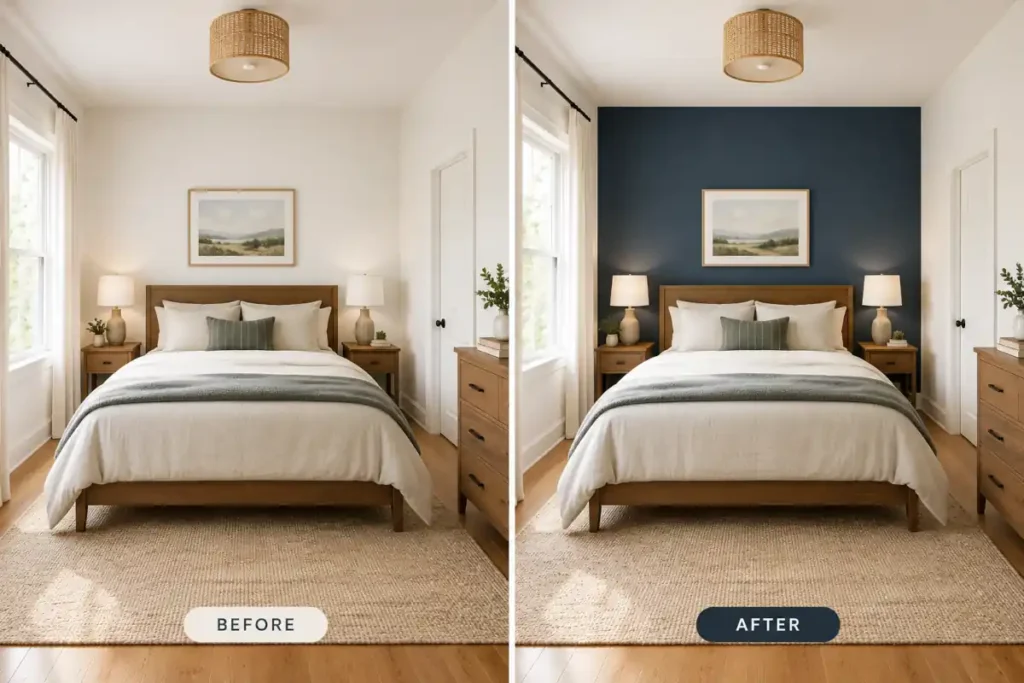
| Ink blue | Warm white walls, neutral bedding, brass lighting | Calm and dramatic |
| Terracotta | Beige textiles, walnut wood, woven decor | Warm and earthy |
| Charcoal gray | Light gray furniture, white trim, soft lighting | Modern and refined |
| Sage green | Cream fabrics, light wood, natural textures | Soft and relaxing |
| Warm beige | White furniture, brown accents, textured fabrics | Cozy and timeless |
Test the Color Before Painting
Paint colors can look different on a store sample, on your wall, and under evening lighting. Before committing, paint a sample on a small section of the wall or use a sample board.
Look at it during the day and again in the evening with your usual lights switched on. This helps you see whether the color feels too dark, too cool, or too bright for the room.
You can also repeat the accent color in small details, such as cushions, artwork, a vase, or a throw blanket. These little touches help the wall feel connected to the rest of the room.
3. Choose the Best Material for Your Accent Wall

Paint isn’t your only option. The material you choose can change both the appearance of the room and the amount of work involved.
| Material | Relative cost | Best for | Main consideration |
|---|---|---|---|
| Interior paint | Low | Simple, budget-friendly makeovers | Requires surface preparation and careful painting |
| Peel-and-stick wallpaper | Low to moderate | Renters and patterned designs | Adhesion depends on wall condition and product quality |
| Traditional wallpaper | Moderate | Detailed patterns and a polished finish | Usually requires more careful installation |
| Wood slat panels | Moderate to high | Warm, modern, Scandinavian-inspired spaces | Material and installation costs can add up |
| Board-and-batten molding | Moderate | Traditional, farmhouse, or architectural styles | Requires accurate measuring and installation |
| Decorative wall panels | Moderate to high | Textured, contemporary interiors | Some products need professional installation |
Costs vary by location, material quality, wall size, and whether you install everything yourself or hire a professional.
Paint: Simple and Budget-Friendly
Paint is a great choice if you want a noticeable change without a complicated project. It comes in a wide range of colors and finishes, and you can update it later if your style changes.
A single painted wall can work especially well behind a sofa, bed, or dining table. For a more interesting design, you can also use painter’s tape to create geometric shapes or simple color-blocked sections.
Wallpaper: Add Pattern and Personality
Wallpaper is useful when you want a pattern or detail that paint alone can’t provide. Botanical prints, subtle geometric designs, and textured patterns can all work beautifully.
If you choose a bold wallpaper, keep nearby furniture and fabrics relatively simple. This allows the wall to stand out without making the entire room feel crowded.
Peel-and-stick wallpaper can be convenient for temporary decorating, but check the manufacturer’s instructions and test a small area first. It may not adhere well to every wall surface or remove cleanly from every paint finish.
Wood Slat Panels: Bring in Warmth and Texture
Wood slat accent walls are popular in modern and Scandinavian-inspired interiors because they introduce texture without relying on a strong color.
Vertical oak-look slats behind a bed or television can make a room feel warmer and more thoughtfully designed. Natural wood tones also pair well with cream, beige, white, and muted green.
Before installing panels, check the wall measurements, product instructions, and fixing requirements. If you are mounting a television or heavy shelves, make sure the supports are securely attached to suitable structural backing.
Board-and-Batten: Create Architectural Detail
Board-and-batten uses strips of trim to create a series of rectangular or square patterns on a wall. It works well in traditional, farmhouse, transitional, and contemporary interiors.
Painting the trim the same color as the wall creates a subtle, elegant look. Choosing a contrasting color makes the pattern more noticeable.
4. Decorate an Accent Wall With Art and Mirrors
You can create a beautiful accent wall without painting or installing wallpaper. Artwork, photographs, mirrors, and decorative objects can make an ordinary wall feel personal and interesting.
Create a Gallery Wall
A gallery wall combines framed photos, prints, illustrations, or artwork into one arrangement. It works particularly well above a sofa, along a staircase, or in a hallway.
For a coordinated look, use frames in similar colors or choose artwork that shares a consistent color palette. If you prefer a relaxed style, mix different frame sizes while keeping enough space between each piece.
Before hanging anything, arrange the frames on the floor. This makes it easier to experiment with spacing and balance before putting holes in the wall.
Use One Large Statement Piece
Sometimes, one large painting or photograph makes a stronger impression than several small frames. A statement piece works especially well above a sofa, console table, or bed.
Choose artwork that fits the width of the furniture beneath it. A very small picture above a large sofa can look disconnected, while an oversized piece may overwhelm the space.
Add a Mirror to Reflect Light
A mirror can make a room feel brighter by reflecting available light and parts of the surrounding space. Round mirrors often soften rooms with many straight lines, while rectangular mirrors can complement modern furniture.
For a polished look, consider a mirror with a frame that matches your lighting fixtures, cabinet hardware, or other decorative details. Always use suitable wall fixings for the mirror’s weight.
5. Accent Wall Ideas for Different Rooms
The best accent wall design depends on how you use the room, the furniture it contains, and the atmosphere you want to create.
Living Room Accent Wall Ideas
The living room is one of the easiest places to introduce an accent wall because it often has a natural focal point.
⦁ Paint the wall behind the sofa forest green, navy, or warm beige.
⦁ Add wood slat panels behind a television or media unit.
⦁ Use subtle geometric wallpaper to introduce pattern.
⦁ Create a gallery wall with framed prints and personal photographs.
⦁ Highlight a fireplace with a complementary color or decorative molding.
If your living room already contains patterned rugs, colorful cushions, or statement furniture, a simple wall color may provide a better balance than a busy wallpaper design.
Bedroom Accent Wall Ideas
A bedroom accent wall should complement the room’s restful atmosphere while adding enough detail to make the space feel special.
⦁ Use sage green or muted blue behind the headboard.
⦁ Install vertical wood slats for warmth and texture.
⦁ Choose soft botanical wallpaper for a gentle pattern.
⦁ Add board-and-batten molding for a classic look.
⦁ Hang a large artwork above the bed instead of repainting.
Keep the wall design connected to your bedding, curtains, and bedside lighting. This creates a more cohesive look without making the bedroom feel overly decorated.
Small Room Accent Wall Ideas
An accent wall can work in a small room, too. You don’t have to avoid dark colors entirely, but think carefully about lighting, contrast, and the amount of visual detail.
A few ideas include:
⦁ Choose one clear focal wall rather than decorating several walls at once.
⦁ Use a simple paint color or subtle wallpaper pattern.
⦁ Add a mirror where it can reflect natural light.
⦁ Choose artwork that fits the wall instead of filling every available space.
⦁ Keep the surrounding decor relatively uncluttered.
Light colors can make a space feel airy, while deeper shades can create a cozy, intimate atmosphere. The best option depends on the room’s lighting and the look you prefer.
Dining Room Accent Wall Ideas
In a dining room, the wall behind the table is often a natural focal point. Try a warm terracotta shade, understated wallpaper, decorative molding, or a large piece of artwork.
A pendant light and a few carefully chosen accessories can help connect the wall to the rest of the dining area.
Home Office Accent Wall Ideas
For a home office, choose a wall that looks good both in person and on video calls. Muted green, soft blue, warm neutral paint, or simple wood detailing can create a professional background without being distracting.
Avoid placing too many small decorative objects directly behind your chair. A clean, balanced background is often easier on the eyes.
6. How to Decorate an Accent Wall on a Budget
You don’t need expensive materials to make a wall look good. The biggest difference often comes from choosing a suitable design and carrying it out carefully.
Here are a few budget-friendly ideas:
Paint one wall: A single can of paint may be enough for a small wall, depending on its size, the paint’s coverage, and the number of coats needed.
Use removable wallpaper: This can be a practical option for renters or anyone who wants a temporary design, provided the product is suitable for the wall surface.
Create your own gallery wall: Print affordable artwork or use personal photographs in simple, coordinated frames.
Try a painted geometric design: Painter’s tape can help create stripes, arches, or color-blocked shapes without covering the entire wall in a single color.
Refresh what you already own: Rearrange existing artwork, add a mirror, or move a floor lamp to highlight a wall you already like.
Shop for materials carefully: Compare the full project cost, including tools, primer, adhesive, trim, and any necessary wall repairs. The cheapest material isn’t always the best value if it needs replacing quickly.
7. A Simple Step-by-Step DIY Accent Wall Plan
Painting is often the easiest starting point for a first accent wall project. The exact process depends on the wall’s condition and the paint manufacturer’s instructions, but these steps provide a useful guide.

Tools and Materials
| Item | Purpose |
|---|---|
| Interior paint | Adds the chosen color |
| Primer, if needed | Helps prepare certain surfaces and improve coverage |
| Painter’s tape | Protects trim and nearby surfaces |
| Drop cloth | Protects floors and furniture |
| Angled paintbrush | Helps paint corners and edges |
| Paint roller and tray | Covers larger wall areas |
| Sandpaper and filler | Helps repair minor surface imperfections |
| Cleaning cloth | Removes dust and surface dirt |
| Measuring tape and pencil | Helps plan the wall and any decorative layout |
Step 1: Prepare the Room
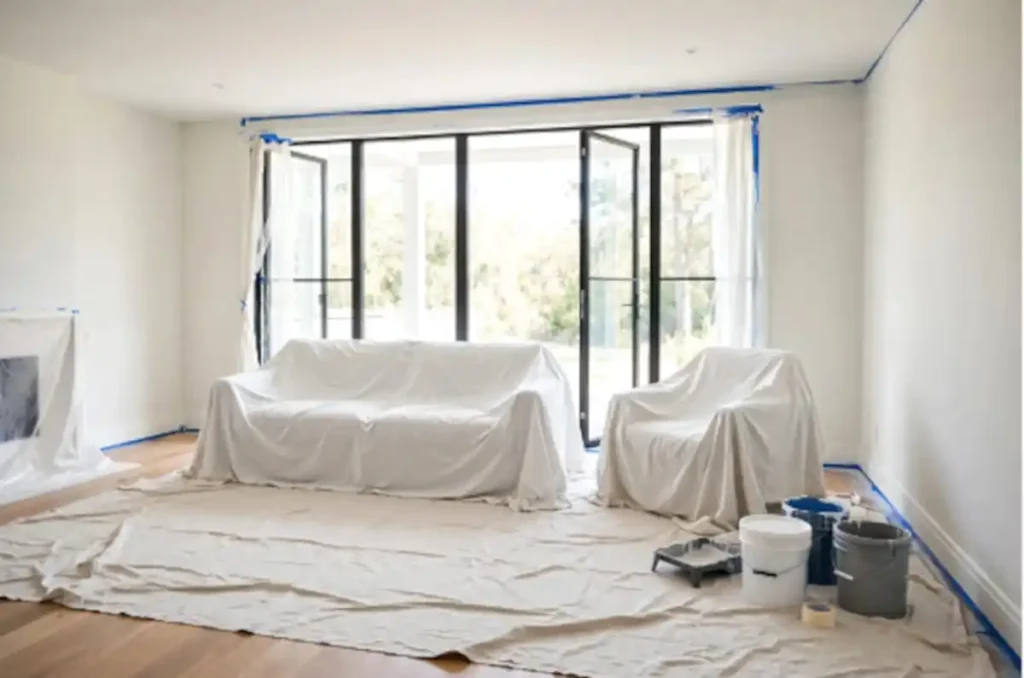
Move furniture away from the wall or cover it properly. Protect the floor, remove dust, and clean the surface as needed.
Check for peeling paint, cracks, or signs of moisture. Repair minor imperfections before painting, and address any moisture problem before covering the wall.
Step 2: Plan the Design
Decide on your paint color, finish, and any decorative details. If you’re using a geometric pattern or molding, measure carefully and mark the layout before beginning.
Use samples to check how your chosen color looks under different lighting conditions.

Step 3: Protect the Edges
Apply painter’s tape along trim, adjoining walls, and other areas that should remain paint-free. Press the tape down firmly to help prevent paint from seeping underneath.
Use the correct preparation method for your wall surface and paint type.

Step 4: Apply Primer if Necessary
Some surfaces need primer before painting, especially bare drywall, repaired areas, stains, or surfaces specified by the paint manufacturer.
Allow the primer to dry according to the product instructions before applying paint.

Step 5: Paint the Wall
Use an angled brush to paint around corners and edges. Then use a roller to cover the larger areas, working in manageable sections and following the recommended application method.
Allow the first coat to dry for the time stated on the paint label. Apply a second coat if needed for even coverage.

Step 6: Finish and Decorate
Remove painter’s tape carefully at the appropriate stage recommended for the product. Once the paint has dried sufficiently, add your artwork, mirror, lighting, or other decorative details.
Stand back and look at the wall from the doorway. If the arrangement feels crowded, remove or reposition a few items until the overall design feels balanced.
If you’re renting, check your lease before painting or making permanent changes. Removable wallpaper and carefully arranged artwork may be more suitable alternatives.

8. Common Accent Wall Mistakes to Avoid
Even a simple accent wall can look out of place if a few important details are overlooked.
| Common mistake | How to avoid it |
|---|---|
| Choosing a random wall | Select a wall that naturally draws attention or highlights an important feature |
| Picking a color without testing it | Check samples in daylight and artificial light |
| Using too many patterns | Balance bold wallpaper or colors with simpler surrounding decor |
| Hanging artwork that’s too small | Choose art that suits the wall and the furniture beneath it |
| Ignoring the rest of the room | Repeat accent colors in small details for a cohesive look |
| Skipping wall preparation | Clean, repair, and prime the surface when needed |
| Overdecorating the wall | Leave enough empty space for the main design to stand out |
| Forgetting about lighting | Consider how windows and lamps affect the wall’s appearance |
A successful accent wall doesn’t have to be complicated. Often, a clear focal point, a suitable color, and a few well-chosen details are enough.
9. Are Accent Walls Still in Style?
Yes, accent walls remain a popular and useful interior design feature, but the overall strategy for how to decorate an accent wall has evolved significantly. In the past, creating a focal point meant applying a single bold paint color to a single wall. Today, learning how to decorate an accent wall focuses more on subtle texture, natural materials, thoughtful color combinations, and refined architectural details.
If you are exploring how to decorate an accent wall to give a room more character, there are several modern techniques to consider:
- Textured Materials: Utilizing wood slats, board and batten, or decorative molding adds depth without relying solely on color contrast.
- Earthy & Warm Palette: Incorporating muted green tones, warm beige, or warm neutrals creates a cozy and sophisticated backdrop.
- Wallpaper & Paint Effects: Applying textured wallpaper, painted arches, or geometric designs offers creative solutions when deciding how to decorate an accent wall on a budget.
When figuring out how to decorate an accent wall for your own space, you don’t have to follow every short-lived trend. The key to successfully understanding how to decorate an accent wall that lasts is ensuring the design complements your existing furniture, reflects your personal taste, and matches the primary function of the room.
Furthermore, knowing how to decorate an accent wall in a smaller room requires careful planning so the space doesn’t feel cramped. Instead of overwhelming the eye, the main goal of how to decorate an accent wall should always be harmony. A properly executed focal wall shouldn’t isolatedly draw all the attention—it should unify the surrounding decor and make the entire room feel balanced, cohesive, and inviting.
Frequently Asked Questions
Which wall should be an accent wall?
Choose a wall that naturally attracts attention when you enter the room. In a living room, this is often the wall behind the sofa or fireplace. In a bedroom, the wall behind the headboard is a common choice.
What is the best color for an accent wall?
The best color depends on your furniture, lighting, and personal style. Forest green, sage green, navy, terracotta, charcoal, and warm beige are all options worth considering. Test a sample before committing to a full wall.
Can you have an accent wall in a small room?
Yes. A single accent wall can add character to a small room without requiring changes to every wall. Choose a design that suits the lighting and avoid adding so many patterns or decorations that the space feels crowded
What is the cheapest way to decorate an accent wall?
Painting one wall is often one of the most affordable options. Other budget-friendly choices include a DIY gallery wall, a painted geometric pattern, or suitable peel-and-stick wallpaper. The final cost depends on the wall’s size, materials, and preparation needs.
Can you create an accent wall without paint?
Absolutely. You can use wallpaper, wood panels, decorative molding, framed artwork, photographs, or mirrors. The right option depends on your budget, wall condition, and whether you want a permanent or temporary change.
Should an accent wall be lighter or darker than the other walls?
It can be either. A darker wall often creates contrast and depth, while a lighter or more textured wall can add interest without a dramatic color difference. Consider the room’s lighting, furniture, and overall atmosphere when deciding.
Are accent walls still in style?
Yes. Accent walls continue to be used in many interior styles, from modern and minimalist spaces to traditional and farmhouse-inspired rooms. Paint, natural textures, wallpaper, and decorative molding all offer different ways to create one.
How do you make an accent wall look professionally designed?
Start with a clear focal point, choose colors that complement the existing room, and pay attention to scale and spacing. Prepare the wall properly and repeat a few colors or materials elsewhere in the room to create a connected look.
Final Thoughts: How to Decorate an Accent
Learning how to decorate an accent wall is a simple yet effective way to give any room more personality without changing everything around it. Whether you choose a rich paint color, patterned wallpaper, natural wood slats, or a gallery wall, the best approach when figuring out how to decorate an accent wall is selecting a design that works naturally with your space and feels right for you.
When planning how to decorate an accent wall, start by choosing the right wall, testing your color or material, and mapping out the layout before you begin. Keep the surrounding decor balanced, pay close attention to lighting, and don’t feel pressured to follow every temporary trend.
You don’t need an expensive makeover to make a room feel special. Ultimately, understanding how to decorate an accent wall thoughtfully is all it takes to transform your entire interior space.
Related Topic: Modern Accent Walls for Living Room